Abasho: The Pixel-Art NFT Project Built as a Gift
Abasho: The Pixel-Art NFT Project Built as a Gift
"Everyone should hug somebody at least once a day." - cvasqxz
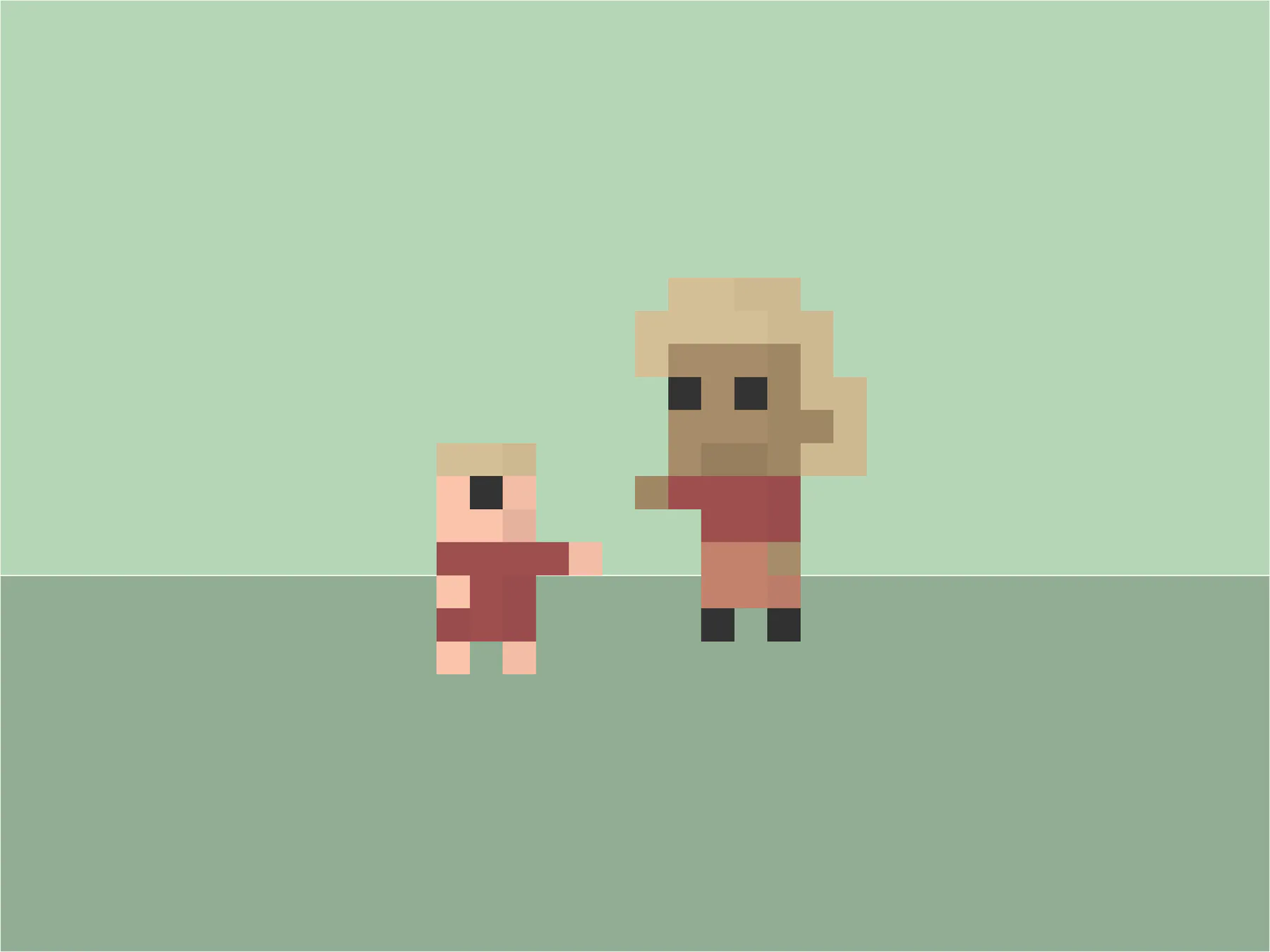
Abasho is a 250-piece generative pixel-art collection on Ethereum, minted free in 2021 by a Chilean electronic engineer who goes by cvasqxz. The project has no roadmap, no royalties, no contract owner, and a CC0 license. It's still active in 2026, four years after the drop.
This is the short version of how it came to be, and a slightly longer version of who made it.
What is Abasho?
Abasho is a generative NFT collection of 250 pixel-art figures. Each piece is built from a matrix of numbers, where every number maps to a body part: 1 for the shirt, 2 for the hair, and so on. Trait weights are randomized in Python, and the color palette is modified by matrix position, so every pixel ends up unique. Cesar ran the generator until he liked what it produced.
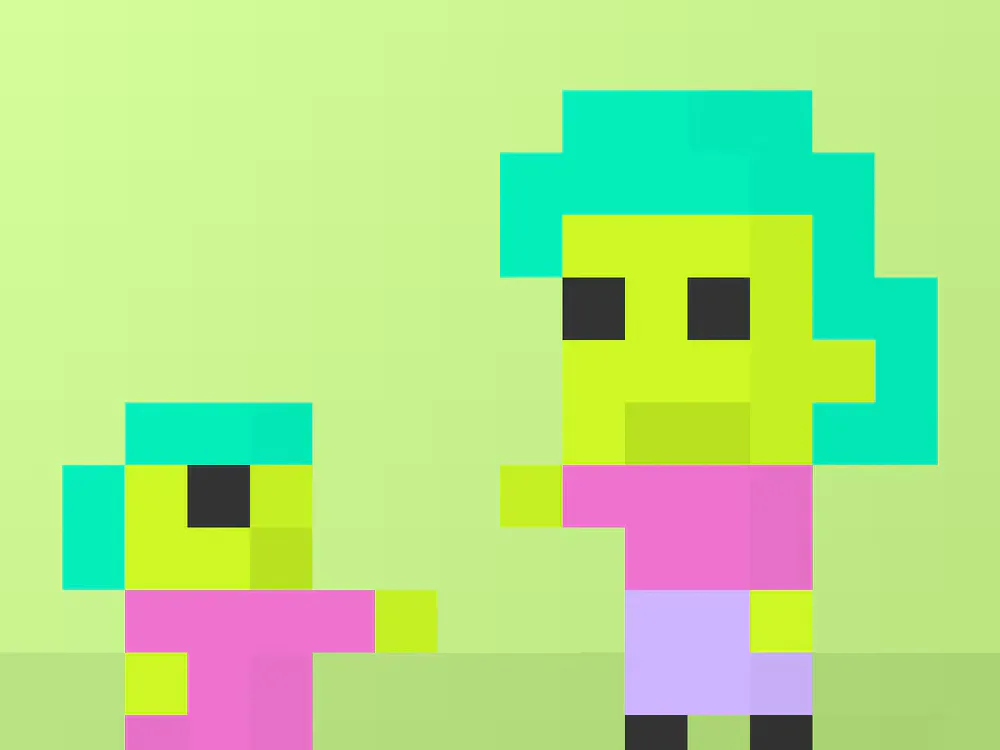 Abasho #13. Cesar was trying to avoid pastels in the palette; this one snuck in.
The mint was free. The license is Creative Commons CC0. Royalties are zero. The smart contract has no owner, which means nobody, including Cesar, can change its terms now.
The name comes from how a Chilean child mispronounces abrazo, the Spanish word for "hug." Adding diminutive suffixes and breaking pronunciation on purpose is a Chilean form of affection. Cesar started offering "abashos" to crypto friends he couldn't afford to pay in dollars. The joke became a Telegram inside-joke. The inside-joke became a contract.
"We Chileans speak bad on purpose because it's funny, and that's why I used to offer abashos to my crypto friends when I didn't have money to pay them for work." - cvasqxz
How Abasho came to be
Cesar made his first MetaMask wallet in 2018 to play CryptoKitties. The years after that were mostly Bitcoin: experiments, scripts, the occasional graffiti on the chain. When Ethereum NFTs reawakened in 2021, he wanted to learn how smart contracts actually worked, so he wrote the simplest contract he could think of and put it on-chain.
The drop went live without ceremony. The first minters were friends in his Telegram group, testing whether the thing actually worked. One mint happened live on a Zoom call with a friend who was new to NFTs and wanted to see the steps in real time.
"I was a little bit nervous because it was literally my first deployed smart contract and I hate JavaScript/Solidity but somehow it worked fine." - cvasqxz
He calls the project an experiment, and that word does most of the framing work. Abasho was never trying to be a brand. It was an engineer learning a new tool by giving the result away, some outputs surprised even him.
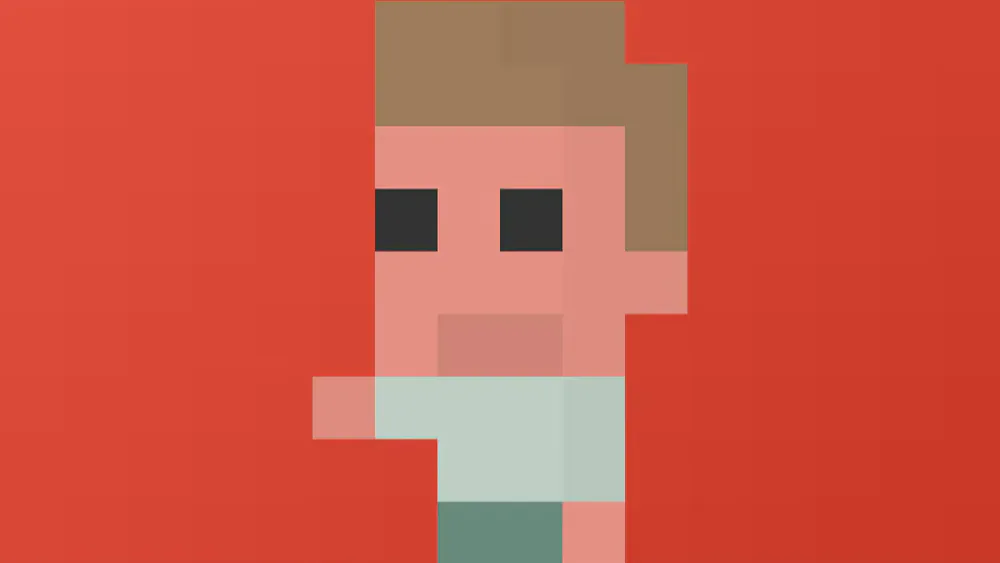 Abasho #75 is technically an alien (the trait was applied to the skin), but the color landed in human range, so he didn't notice until months after the drop.
Why no roadmap, no royalties, no owner
The Abasho terms read like a manifesto: CC0, zero royalties, no holder gating, no roadmap, no contract owner. Cesar's reasoning is plainer than the manifesto framing suggests.
He'd been in crypto since 2018 and had heard the stories the space prefers to keep quiet: kidnappings, torture, contract killings. He decided early that he wanted to be a grandfather one day, and that ruled out most ways of trying to make money in this market. So Abasho stays a gift.
"I prefer to be poor, happy and have fun while learning." - cvasqxz
The CC0 license is the part he's most insistent on. CC0 means he doesn't have to maintain the project for the rest of his life. He can step away. The contract being ownerless does the same job from the other side: even if someone pressured him to tighten the license or add royalties later, he couldn't. The architecture protects the gift from his future self as much as anyone else's.
Who is cvasqxz?
Cesar is an electronic engineer from Chile who codes professionally. He doesn't call himself an artist. He treats artist as an honorific, like hacker or expert: a label someone else has to grant you, not one you claim.
Outside Abasho, his projects are small, weird, and hands-on. Right now he's running Stepmania 3.9 on a Raspberry Pi Zero at 60fps, trying to run an AI agent inside Habbo Hotel, reviving Game Boys to make music, and building a modular synth. He calls it "vibecoding a lot of stupid shit." The pattern has been consistent for years: tiny experiments, no commercial ambition, all the joy in the doing.
He's a father now, which has reduced the hours he can spend on crypto, but he hasn't walked away. He says he likes the ecosystem too much to abandon it.
The community, four years later
Abasho's community is small by NFT standards. There's a Telegram group (which Cesar describes as "very intense"), a Discord, and a long tail of holders that includes Yot (creator of FUGZ), ppmcghee, and BrightAvian. Cesar's view: the small scale is the point.
"It's easy to organice a small group of people. In college I spend a lot of time in anarchist art collectives were small groups of people did amazing stuff with almost no money, so I think that's the best way to organize, like guerrilla warfare." - cvasqxz
He has a clear position on the pressure to grow.
"You don't need to scale a group chat. The urge to grow is based on making money, it's never about the community." - cvasqxz
The smart contract is immutable. People drift in and out of group chats; some leave, some pass away, but the Abasho contract on Ethereum stays put. The artwork itself lives on IPFS, which Cesar admits is the weak link. He's open to a more permanent representation: fully on-chain, or something physical that survives independent of any pinning service.
Where Abasho fits in NFT history
If you're new and trying to place Abasho: it sits in the same lineage as CC0-first projects like Nouns, CrypToadz, and Mfers. It's smaller and quieter than any of them, and never tried to be commercial. It launched in 2021, the same year the PFP wave peaked, and didn't ride that wave.
Cesar's deeper allegiance is to Bitcoin. He loved the arrival of Ordinals because Ordinals let him keep doing what he calls "graffiti on the bitcoin blockchain." He thinks of any chain primarily as a place to write things that can't be erased.
That stance, more than the pixel art or the CC0 license, is what makes Abasho feel different from most things minted in 2021. It was built to outlast its maker. The contract will still be there in 2031, regardless of where any of the holders end up.
"I'll always prefer the IRL abasho." - cvasqxz
The longer creator interview with cvasqxz is forthcoming. The original companion piece is A Hug from the Internet.
Written by
nodestarQ
devbasho
Read next
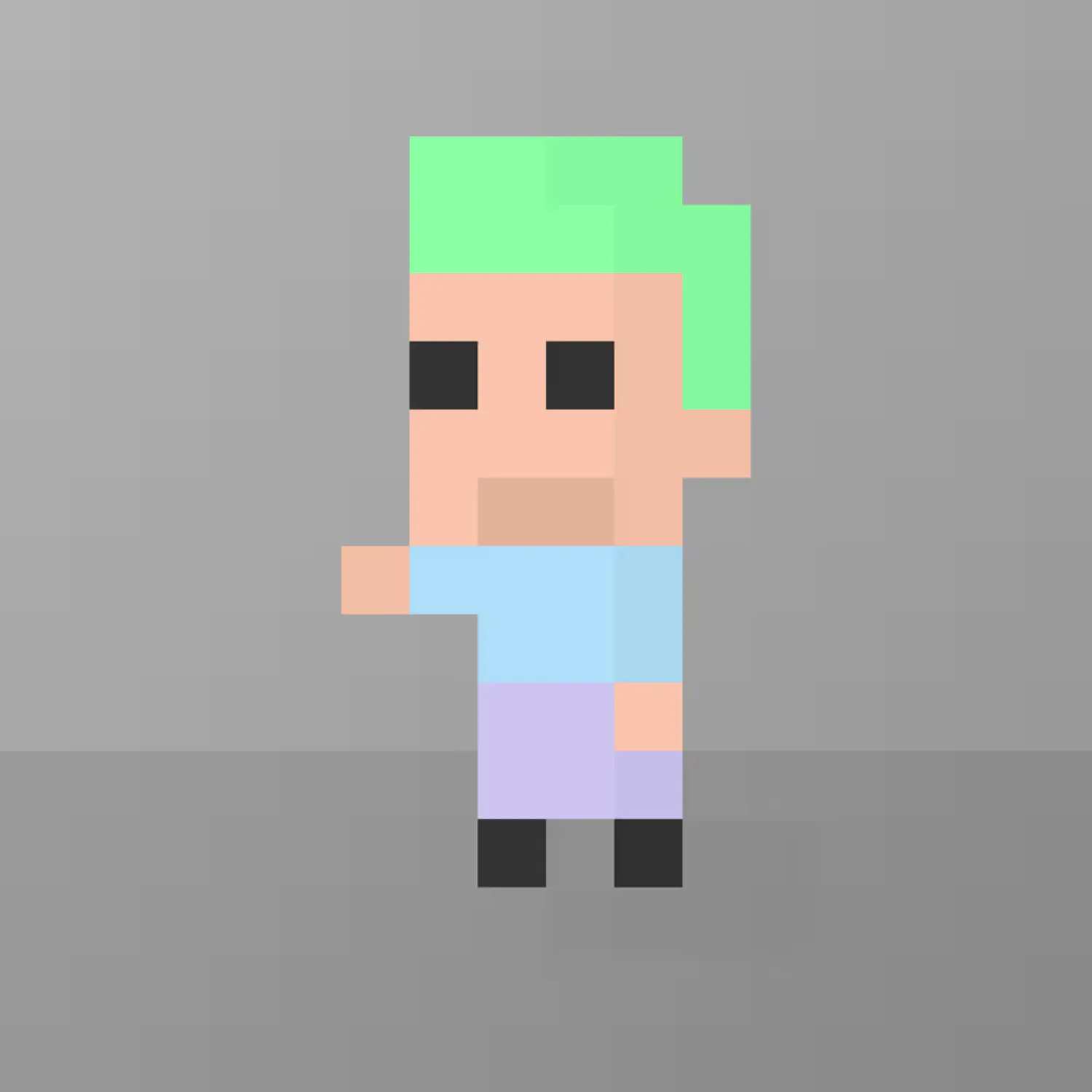
A hug from the internet
How a mispronounced Spanish word for "hug" became a cc0 art collective, and what this blog is for.
How to Create an NFT PFP Collection in 2026 (Free Generator, Step-by-Step)
End-to-end no-code walkthrough for building a 1k-10k PFP collection with the open-source abashoverse generator. Layers, rarity, rules, ERC-721/1155 metadata, export.
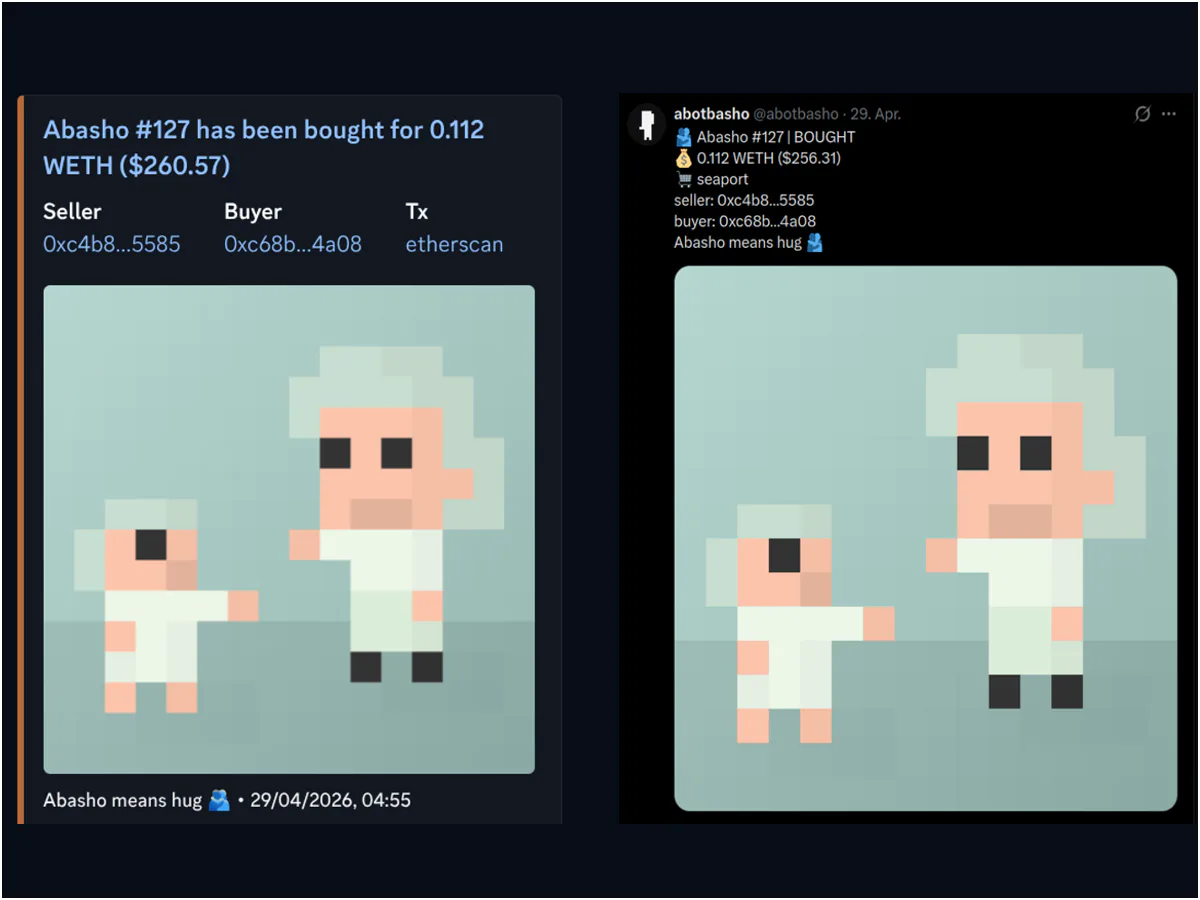
abotbasho: The Self-Hosted NFT Sales Bot for Discord & Twitter
An open-source NFT sales bot for Discord and Twitter, built so I wouldn't have to hand my community channels to a third-party SaaS.
Comments
Connect your wallet to leave a comment.